Exterior Preparation
Exterior Caulk Inspection Before Painting in Indiana
Caulk is a small line with a large job: it helps keep water out where different materials meet.
Caulk is a small line with a large job: it helps keep water out where different materials meet.
Quick answer: Caulk is a small line with a large job: it helps keep water out where different materials meet.
Look for gaps, cracked beads, hardened material, peeling edges, and joints where caulk was applied over dirt or a wet surface. Not every gap should be filled; some assemblies need to drain or move, and the right material depends on the joint and substrate.
Caulking belongs after cleaning and before the final finish, with enough time for the product to tool, skin, or cure according to its instructions. Rushing a wet bead into paint can create a visible ridge or early failure.
A useful exterior estimate names where caulk is included and where larger trim or masonry repairs are excluded. That makes it easier to understand what the new paint is protecting and what needs another trade.
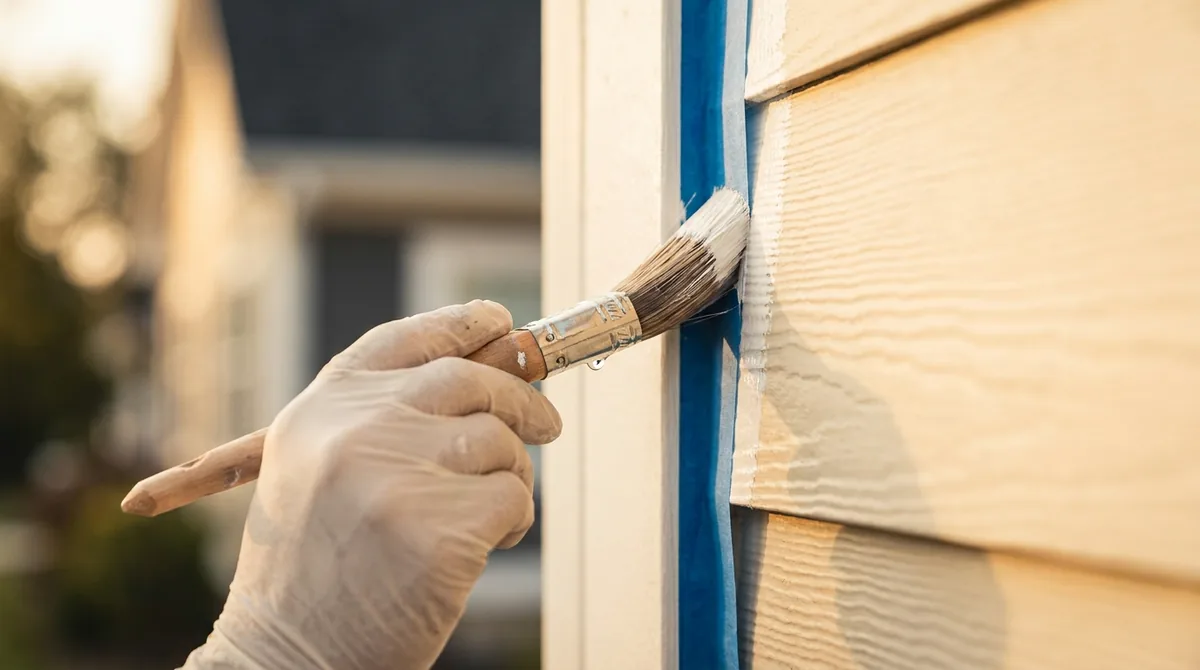
Exterior caulk line being inspected before repainting

Finished exterior trim with clean sealed joints
Start with the surface, the way the space is used, and the result you want to maintain. A useful painting decision names the constraint instead of hiding it behind a broad promise.
Most surprises come from hidden prep: old coatings, failed caulk, unstable drywall, adhesive residue, moisture, difficult access, or a schedule that leaves no cure time. Ask about those items before choosing by price alone.
No. Stable, well-bonded joints may not need removal. Failed, cracked, or missing caulk should be evaluated as part of prep.
It may hide it briefly, but movement and moisture can reopen the joint.
Cleaning and drying generally come first so the new bead is placed on a sound surface.
Tell us what needs attention. We will walk through the prep, timing, and finish with you before anything is scheduled.
No cost, no obligation. You will receive a written quote for the work discussed.