Services
Interior PaintingExterior PaintingCabinet RefinishingDeck & Fence StainingDrywall RepairWallpaper RemovalPopcorn Ceiling RemovalCommercial Painting
Areas We Serve
CarmelFishersWestfieldNoblesvilleZionsvilleBroad Ripple & North Indianapolis
Guide About Contact
Call (317) 509-9873
Call Indiana Painting Experts — (317) 509-9873
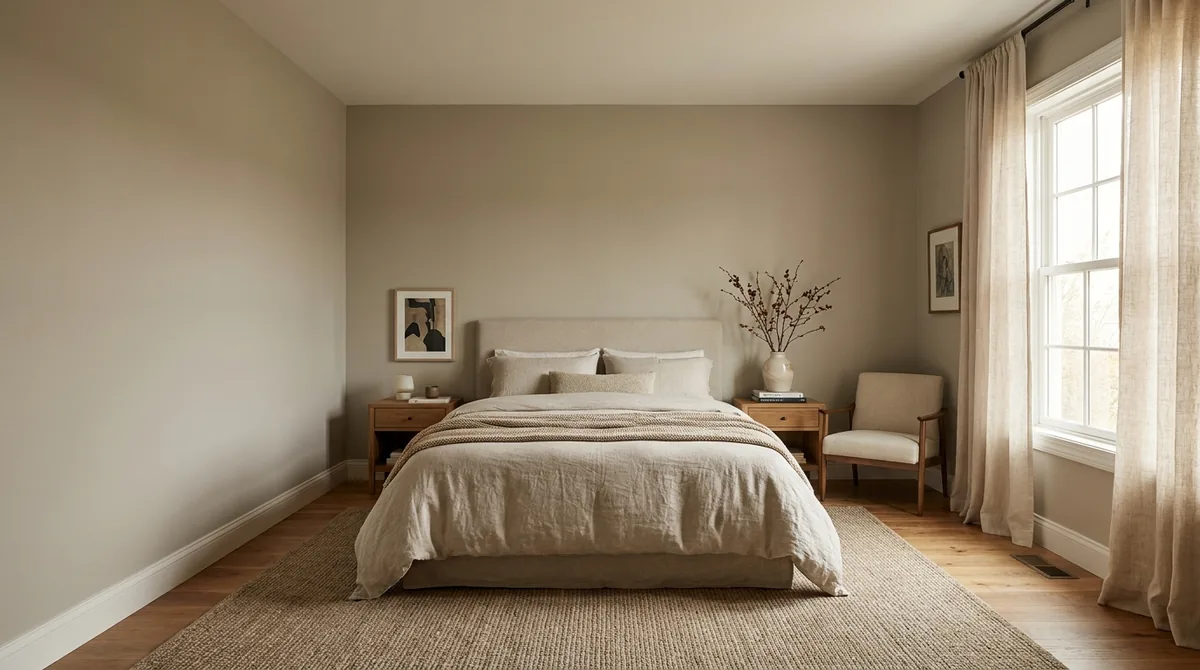
Finished painted room representing the North Indy Painting Guide
Free Resource

The North Indy Painting Guide

Twenty-five straight answers to the questions we actually get asked on the phone — no filler, no padded listicle answers. If you want the short version on any of these, call (317) 509-9873 and we'll walk through it live.
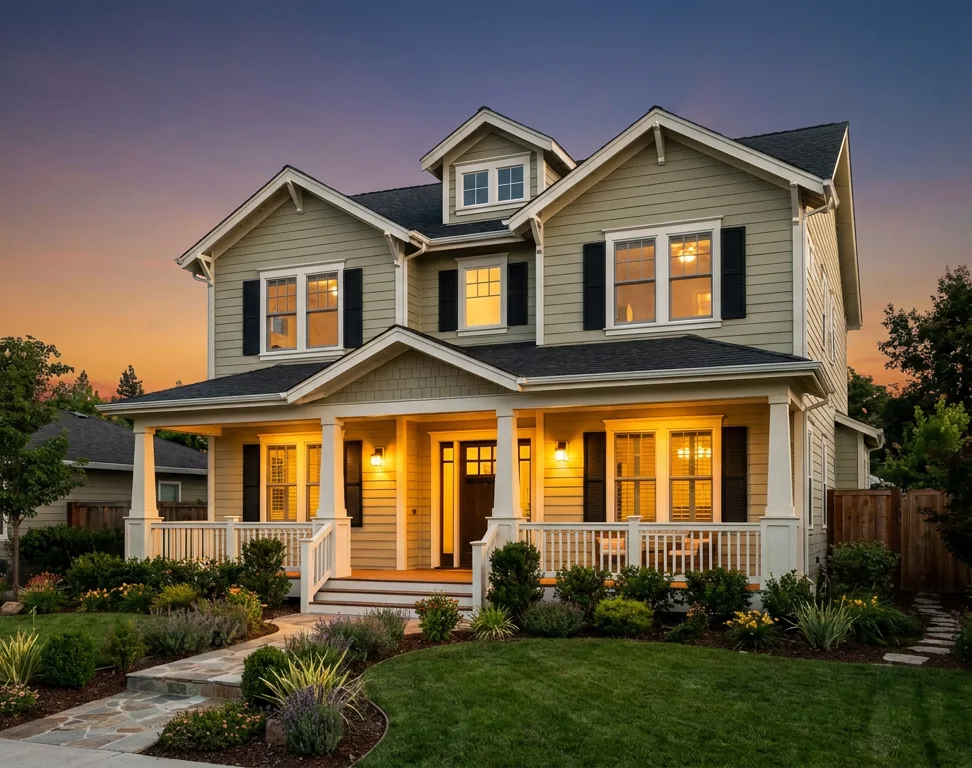
A properly prepped exterior holds up seven to ten years in this climate

A properly prepped exterior holds up seven to ten years in this climate

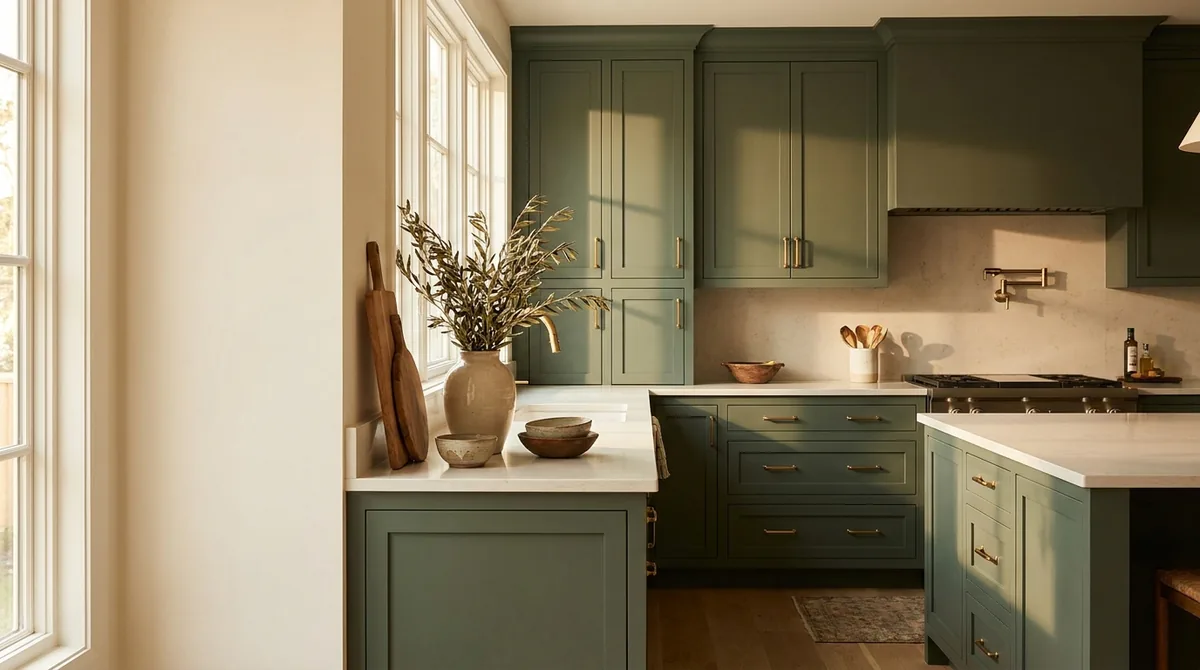
Refinishing keeps the boxes, transforms the finish

Refinishing keeps the boxes, transforms the finish

01 / 05

Interior Painting Fundamentals

How many coats of paint does a wall actually need?

Two full coats, minimum, on any wall going from one color family to another or covering existing paint older than a couple of years. A single coat can look even under bright store lighting and still read patchy under the raking light from a window at 4pm — flat and eggshell sheens especially show roller-lap marks and thin spots under side light. The only real exception is a same-color, same-sheen refresh coat on a wall in good condition, where one coat can be enough. Deep, saturated colors (navy, black, dark green) sometimes need a third coat or a tinted primer to avoid a washed-out first coat showing through. If a painter is quoting a whole-house repaint with one coat as the default, that's the corner most commonly cut to hit a lower number — ask directly how many coats are included before you compare bids.

What paint sheen should you use in which room?

Flat or matte for ceilings and low-traffic formal rooms, since flat hides drywall imperfections best but marks easily and can't be scrubbed hard. Eggshell or satin for living rooms, bedrooms, and hallways — enough sheen to wipe down, still forgiving on wall texture. Satin or semi-gloss for kitchens, bathrooms, and mudrooms, where moisture and grease need a washable surface. Semi-gloss or gloss for trim, doors, and cabinetry, where durability and a crisp look matter more than hiding minor imperfections. The tradeoff running through all of it: higher sheen means more durability and washability, but also shows every roller mark, drywall seam, and patch more clearly — which is exactly why trim and doors, usually the smoothest surfaces in the house, get the glossiest finish.

How long should interior paint dry between coats?

Most quality latex/acrylic wall paints are dry to the touch in about an hour and recoat-ready in 4 hours under normal indoor conditions — around 70°F and moderate humidity. Cold rooms, high humidity, or thick application all slow that down significantly, sometimes doubling recoat time. Rushing the second coat before the first has properly set can cause lap marks, uneven sheen, or the roller pulling up the first coat in spots. Full cure — the point where paint reaches its final hardness and washability — typically takes 2 to 4 weeks, which is why we tell clients to avoid scrubbing freshly painted walls hard or hanging heavy items on freshly painted trim for the first month.

Do you need to prime before repainting?

Not always, but skipping primer in the wrong situation is one of the most common ways an interior repaint fails early. You need primer when covering a drastic color change (especially going light over dark or vice versa), when painting bare drywall or wood, over any water stain or smoke damage, over glossy trim that hasn't been scuff-sanded, or over any patched or repaired area. A same-color refresh on walls already in good condition generally doesn't need it. Skipping primer on a stain-prone surface is the single biggest reason old stains 'bleed' back through fresh paint months later — the stain isn't gone, it's just been temporarily covered until moisture or time lets it migrate back up through an unsealed topcoat.

What's the real lifespan of interior paint?

In normal living spaces with proper prep and quality paint, 7 to 10 years before a repaint is genuinely needed for appearance, though the paint film itself can technically last longer. High-traffic areas — hallways, kids' rooms, kitchens — tend to show wear closer to the 5-year mark. What actually shortens that timeline is almost always prep-related: paint applied over unprimed patches, over dirty or greasy surfaces, or in a single thin coat will show wear, chipping, or fading well ahead of schedule, sometimes within a year or two. If you're repainting more often than every 5 years and nothing structural has changed in the room, the previous paint job — not the paint itself — is usually the reason.

02 / 05

Exterior Painting & Indiana Weather

What's the best time of year to paint a house exterior in Indiana?

Late May through early October gives the most reliable window — consistent daytime temperatures in the ideal 50–85°F application range, lower humidity swings, and enough daylight to finish a section in one session rather than stopping mid-wall. Early spring and late fall are workable but riskier: overnight temperatures can dip below the minimum cure temperature for acrylic paint even when the daytime high looks fine, and dew point matters as much as air temperature since paint applied too close to overnight dew can fail to cure properly. We track hourly forecasts, not just the daily high/low, before committing a crew to an exterior day.

Why does exterior paint fail faster in Indiana than in warmer states?

Freeze-thaw cycling is the main driver. Indiana routinely swings through dozens of freeze-thaw cycles each winter — above freezing during the day, below freezing overnight — and any moisture that's gotten behind or into the paint film through a hairline crack or gap expands and contracts with each cycle, widening the failure point a little more each time. Warmer climates that stay above freezing don't put paint through that repeated mechanical stress. This is exactly why caulking at trim joints and siding seams isn't optional in our exterior scope — it's the difference between paint that fails at year 3 versus paint that holds to year 8 or beyond in this climate specifically.

What temperature is too cold (or too hot) to paint outside?

Most premium acrylic exterior paints have a minimum application temperature around 35–50°F depending on the product, and that number refers to the surface temperature, not just the air temperature — a shaded north-facing wall can be significantly colder than the ambient reading. On the hot end, direct sun on dark siding can push surface temperature well above 90°F even on a 75°F day, causing paint to dry too fast, lap-mark, and fail to properly bond. We work the shaded side of the house during peak afternoon heat and avoid painting any surface below the manufacturer's minimum, even if that means adjusting the day's schedule around the sun rather than the clock.

How often should Indiana homes be repainted on the exterior?

7 to 10 years for a properly prepped and applied premium acrylic system on wood or fiber cement siding; vinyl and previously well-maintained surfaces can sometimes stretch longer. South and west-facing walls with heavy sun exposure typically show wear first and may need attention a couple years ahead of shadier elevations. The number one factor that shortens this window isn't the paint brand — it's whether the surface was properly washed, scraped, sanded, and caulked before the first coat went on. A rushed prep job on a premium paint can fail in 3 years; thorough prep with a mid-tier paint can comfortably outlast it.

What causes peeling, blistering, and chalking paint?

Peeling almost always traces back to a moisture or adhesion problem underneath — paint applied over a damp surface, over glossy unprepped paint, or over a substrate with a leak behind it. Blistering (bubbles that pop to reveal bare surface) typically means moisture was trapped under the paint film during application, often from painting too soon after washing or in humid conditions. Chalking — a powdery residue that rubs off on your hand — is normal paint aging from UV exposure, but heavy chalking well ahead of the paint's expected lifespan usually signals a lower-quality paint or a coat applied too thin. None of these are things a fresh coat of paint on top will fix; the underlying cause has to be addressed first or the failure repeats.

03 / 05

Specialty Surfaces

Is cabinet refinishing actually cheaper than replacing cabinets?

Usually, and by a meaningful margin. Full cabinet replacement — boxes, doors, and installation — commonly runs into five figures for an average kitchen once you include demo and disposal, while refinishing the existing boxes and doors typically lands at roughly a third to half of that, since you're keeping the cabinet structure and just transforming the finish. The tradeoff is that refinishing can't fix structural problems — warped doors, water-damaged particleboard, or boxes that are simply the wrong layout for how you use the kitchen. If the cabinets are structurally sound and the layout works, refinishing gets you the visual reset of a remodel without the cost or the weeks-long demo timeline.

What's the difference between knockdown, orange peel, and smooth drywall texture?

Orange peel is a fine, stippled texture resembling citrus skin, sprayed on and left as-is — common in production-built homes from roughly the 1980s through 2000s. Knockdown starts the same way but gets lightly flattened with a wide knife before it fully dries, leaving a mottled, flatter pattern that hides drywall seams and imperfections better than smooth walls while still reading less formal than orange peel. Smooth (or 'level 5') finish skips texture entirely, requiring a fully floated and sanded drywall surface — it looks the most modern and high-end but shows every joint, seam, and imperfection under raking light, which is why it takes the most prep labor of the three. Matching an existing texture pattern on a repair is a specific skill; a mismatched patch is one of the most common giveaways of amateur drywall work.

Can you just paint over wallpaper instead of removing it?

You can, but we don't recommend it, and most experienced painters will tell you the same. Wallpaper seams telegraph through paint over time, especially under raking light. Vinyl-coated wallpaper doesn't accept paint adhesion well at all without specialized primer, and any air pockets or loose edges under the paper will eventually show as bubbles or lifted seams once painted over. The paper itself can also absorb and release moisture differently than the wall behind it, leading to uneven sheen. Full removal followed by proper adhesive cleanup and a wallpaper-blocking primer is more labor upfront but is the only approach that reliably holds up — painting over wallpaper is a shortcut that tends to become a bigger, more expensive fix later.

Do older homes need testing before popcorn ceiling removal?

Homes built or renovated before the early-to-mid 1990s can have asbestos-containing texture, since asbestos wasn't fully phased out of these products until federal restrictions tightened through the 1980s and into the following decade. It's not a given — many ceilings from that era don't contain it — but it's not something to guess about either, since disturbing asbestos-containing material without proper precautions is a genuine health hazard, not just a regulatory technicality. If your home falls in that build era and you've never had the ceiling texture tested, we'll talk through testing options before starting removal rather than assuming either way. Homes built after that window are generally lower risk, but age of the specific texture application (not just the home) is what actually matters.

Semi-transparent vs. solid stain: which is right for your deck?

Semi-transparent stain lets the wood grain show through while adding color and UV protection — it looks the most natural, but because it offers thinner film protection, it typically needs reapplication every 2 to 3 years, especially on sun-exposed or high-traffic deck surfaces. Solid stain behaves more like thin paint, fully covering the wood grain with a more opaque, uniform color, and its thicker film generally holds up 4 to 5 years before needing a refresh. Solid is usually the better call on older wood with existing repairs, mismatched boards, or visible wear, since it evens out the appearance; semi-transparent is the better call on newer or higher-quality wood where the grain itself is part of the appeal you want to keep visible.

04 / 05

Cost, Process & Contracts

What actually drives the cost of a painting quote?

Square footage is only part of it. The bigger cost drivers are almost always prep-related: how much scraping, sanding, patching, or caulking a surface needs before paint can go on; ceiling height and trim complexity, which slow down cutting-in time significantly; the number of colors and sheens involved, since each color change means more masking and more coats to track; and paint quality tier, where premium paint costs more per gallon but typically needs fewer touch-up cycles over its life. Two houses of identical square footage can have very different quotes if one has failing paint requiring extensive scraping and the other is a same-color refresh over sound existing paint — the difference is almost entirely in the prep hours, not the paint itself.

Why does prep cost more than the paint?

Because prep is where a paint job's actual lifespan gets decided, and it's genuinely labor-intensive work — scraping failing paint, sanding glossy or rough surfaces, patching and floating drywall damage, spot-priming bare or repaired areas, masking trim and fixtures, and caulking every gap that could let moisture in. The paint itself, even premium paint, is a relatively small line item compared to the hours of hand labor that go into properly preparing a surface to receive it. A painter quoting well below competitors is almost always cutting prep time, not using cheaper paint — paint cost differences between brands are modest, while prep labor differences between a rushed job and a proper one can be substantial.

How long should a painting project realistically take?

A single room repaint typically runs 1 to 2 days including prep, coats, and drying time between them. A full 3–4 bedroom interior repaint usually takes 3 to 6 working days depending on trim detail and how many colors are involved. A full exterior repaint on an average two-story home generally runs 4 to 7 working days, weather permitting, factoring in wash-and-dry time before painting can begin. Cabinet refinishing for a full kitchen typically takes 5 to 8 working days since doors need controlled spray time and dry time between coats. Any of these timelines can extend with poor weather (exterior work), extensive repairs discovered during prep, or scope changes mid-project — which is exactly why a written schedule upfront, not just a start date, matters.

What should be in a written painting estimate?

At minimum: an itemized breakdown of what surfaces and rooms are included, the number of coats specified, the paint brand and product line (not just 'quality paint'), sheen for each surface, what prep work is included (scraping, sanding, caulking, priming, drywall repair), what's explicitly excluded, a payment schedule, and an estimated timeline. A one-line lump sum quote with no breakdown makes it impossible to compare bids apples-to-apples or to know what you're actually paying for if something gets cut from scope later. If a quote doesn't specify coat count or paint product, ask directly — those two details alone explain most of the price variation you'll see between bids on the same project.

What's a fair deposit to pay before work starts?

Industry norms typically run somewhere between 10% and a third of the total project cost as a starting deposit, sometimes tied to materials being ordered rather than a flat percentage, with the balance due on a schedule tied to project milestones or final completion — never 100% upfront. Be cautious of any contractor asking for the full amount before work begins, or a deposit that seems unusually high relative to materials cost for the project size. A clear payment schedule tied to actual progress, laid out in writing before work starts, protects both sides and is standard practice among established painting contractors.

05 / 05

Choosing & Working With a Contractor

What questions should you ask a painting contractor before hiring?

How many coats are included, and on what surfaces specifically? What brand and product line of paint will be used? Is the estimate written and itemized, or a verbal lump sum? What prep work is included — scraping, sanding, caulking, priming, drywall repair — and what's excluded? Is the crew insured, and can they provide proof? What's the payment schedule, and is any warranty offered on labor separate from the paint manufacturer's own product warranty? A contractor who answers these specifically and in writing without hesitation is usually the safer bet over one who gives vague reassurances — vagueness at the estimate stage tends to predict vagueness about scope once the job is underway.

How do you know if a painter is skipping steps?

A few tells: a quote that's dramatically lower than others with no explanation for the gap, a timeline that seems too fast for the scope (a full exterior in a day and a half on a large home is a red flag, not a win), no mention of caulking or spot-priming in an exterior scope, no drop cloths or floor protection on interior work, or paint going on over visibly dirty or glossy surfaces without any sanding or cleaning step first. Watching the first hour or two of prep work — whether floors and furniture actually get protected, whether surfaces get sanded or just painted over — tells you more about the crew's standards than the sales conversation did.

Do painting contractors need to be licensed or insured in Indiana?

Indiana doesn't require a state-level license specifically for residential painting contractors, though some individual municipalities may have their own local business licensing or permitting requirements worth confirming for your specific address. What genuinely matters regardless of licensing rules is insurance — general liability coverage in case of property damage, and workers' compensation coverage for the crew in case of an on-site injury. Ask any contractor for proof of both before work begins; a legitimate, established painting business will have this readily available and won't hesitate to share it.

What does a warranty on a paint job actually cover?

There are two separate warranties worth distinguishing. The paint manufacturer's product warranty covers defects in the paint itself — things like premature fading or peeling caused by a flaw in the product, typically for a period defined by the manufacturer, often several years on premium lines. The contractor's labor or workmanship warranty, separate from that, covers issues caused by application — things like early peeling from inadequate prep or coverage. A contractor offering no workmanship warranty at all, only pointing to the paint manufacturer's coverage, is offering less protection than one who stands behind their own labor with a written warranty period.

How do HOA color approval rules work in places like Carmel?

Many HOA communities across Hamilton County, including numerous Carmel neighborhoods, maintain an approved exterior color list or require submission of a color sample for board approval before repainting — the specifics vary significantly by individual HOA, so there's no single rule that applies community-wide. Some HOAs move through approval requests quickly; others have a monthly board meeting cadence that can add real time to a project timeline if a request is submitted late. Before ordering paint or scheduling an exterior repaint in an HOA community, it's worth confirming current color guidelines and submission timelines directly with your HOA management, since guidelines do get updated periodically and a color that was approved for a neighbor several years ago isn't a guarantee of current approval.

Still Have A Question?

Twenty-five answers won't cover everything.

Call (317) 509-9873 and ask us directly — real answers, no sales script.