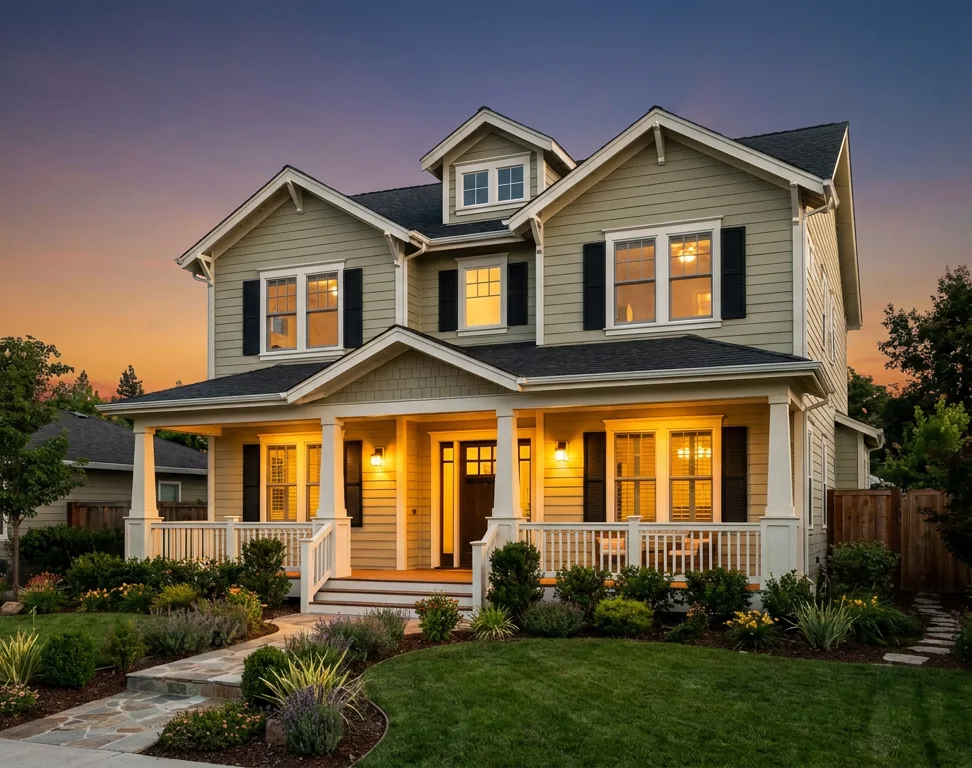
Exterior Planning
How to Get an HOA Paint Color Approved in North Indiana
The smoother the paperwork and color plan, the less likely your painting schedule is to stall.
The smoother the paperwork and color plan, the less likely your painting schedule is to stall.
Quick answer: The smoother the paperwork and color plan, the less likely your painting schedule is to stall.
Start with the neighborhood's rules, approved color lists, submission format, and meeting or review timing. Then describe body, trim, door, shutters, and accents separately instead of saying "paint the house blue." A physical sample or manufacturer color code can remove ambiguity.
The color still needs to work on the actual material and exposure. A shade that is acceptable on a sample may absorb more heat on siding or look dramatically different on a shaded brick elevation. The approval process and the surface assessment belong in the same project plan.
Do not schedule a weather-sensitive exterior start before the approval is documented. A short delay at the beginning is easier to manage than changing color after material, labor, and access have been committed.
Coordinated exterior palette on a North Indy home

Trim and body colors meeting at a clean exterior edge
Start with the surface, the way the space is used, and the result you want to maintain. A useful painting decision names the constraint instead of hiding it behind a broad promise.
Most surprises come from hidden prep: old coatings, failed caulk, unstable drywall, adhesive residue, moisture, difficult access, or a schedule that leaves no cure time. Ask about those items before choosing by price alone.
Usually the homeowner or property manager, using the information supplied by the association and the painting scope.
Repairs and prep should still be completed before coating; the approved color does not remove the need for a sound substrate.
Yes, a preliminary scope can be discussed, but the final materials and schedule should follow the approved plan.
Tell us what needs attention. We will walk through the prep, timing, and finish with you before anything is scheduled.
No cost, no obligation. You will receive a written quote for the work discussed.