
Exterior Maintenance
How Often Should You Repaint Siding in Indiana?
The calendar is a starting point; the siding's condition is the real schedule.
The calendar is a starting point; the siding's condition is the real schedule.
Quick answer: The calendar is a starting point; the siding's condition is the real schedule.
Look for chalking, peeling, bare spots, failed joints, cracked caulk, faded color, and trim that is soft or exposed. These signals describe the condition more accurately than a fixed "every X years" rule.
Wood and detailed trim often need more active maintenance than stable fiber cement or well-maintained siding. Dark colors, south- and west-facing elevations, and water exposure can shorten the useful life of the finish.
A maintenance repaint is easier when the prep is addressed before the surface becomes a repair project. If you are unsure, a written exterior assessment can separate routine repainting from areas that need repair first.
Finished exterior siding ready for seasonal inspection
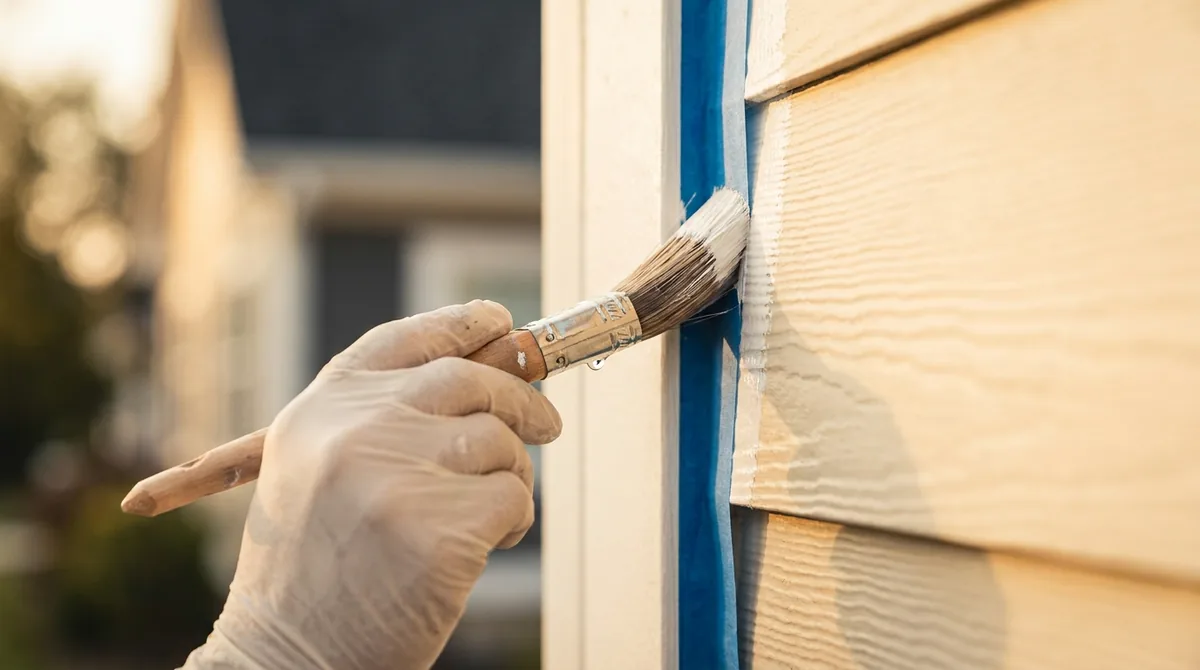
Exterior trim showing the details that affect repaint timing
Start with the surface, the way the space is used, and the result you want to maintain. A useful painting decision names the constraint instead of hiding it behind a broad promise.
Most surprises come from hidden prep: old coatings, failed caulk, unstable drywall, adhesive residue, moisture, difficult access, or a schedule that leaves no cure time. Ask about those items before choosing by price alone.
It depends on condition, exposure, color, product, and whether painting is appropriate for the material.
Chalking, failed caulk, and exposed or peeling areas are useful early warnings.
Waiting usually increases prep and repair work. An earlier maintenance scope may be more efficient.
Tell us what needs attention. We will walk through the prep, timing, and finish with you before anything is scheduled.
No cost, no obligation. You will receive a written quote for the work discussed.