Interior Decisions
How to Choose Paint for North-Facing Rooms
North-facing rooms often make colors feel cooler and darker, so undertone matters more than the paint-card name.
North-facing rooms often make colors feel cooler and darker, so undertone matters more than the paint-card name.
Quick answer: North-facing rooms often make colors feel cooler and darker, so undertone matters more than the paint-card name.
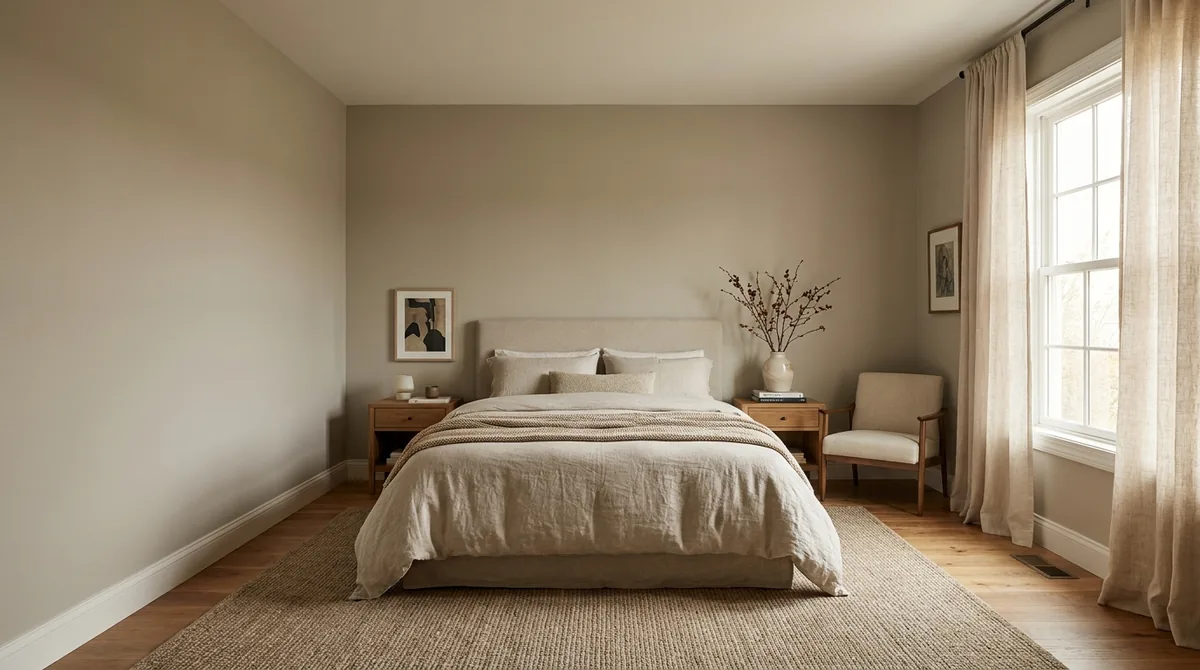
Warm neutrals, softened greens, muted clay tones, and balanced off-whites can hold their character in cooler light, but the undertone needs to be tested. A warm color with too much yellow may look muddy beside cool floors or blue-gray furniture.
Use large samples on more than one wall and watch them from morning through evening. North light is not the only influence; lamps, adjacent rooms, flooring, and window treatments change what the eye sees.
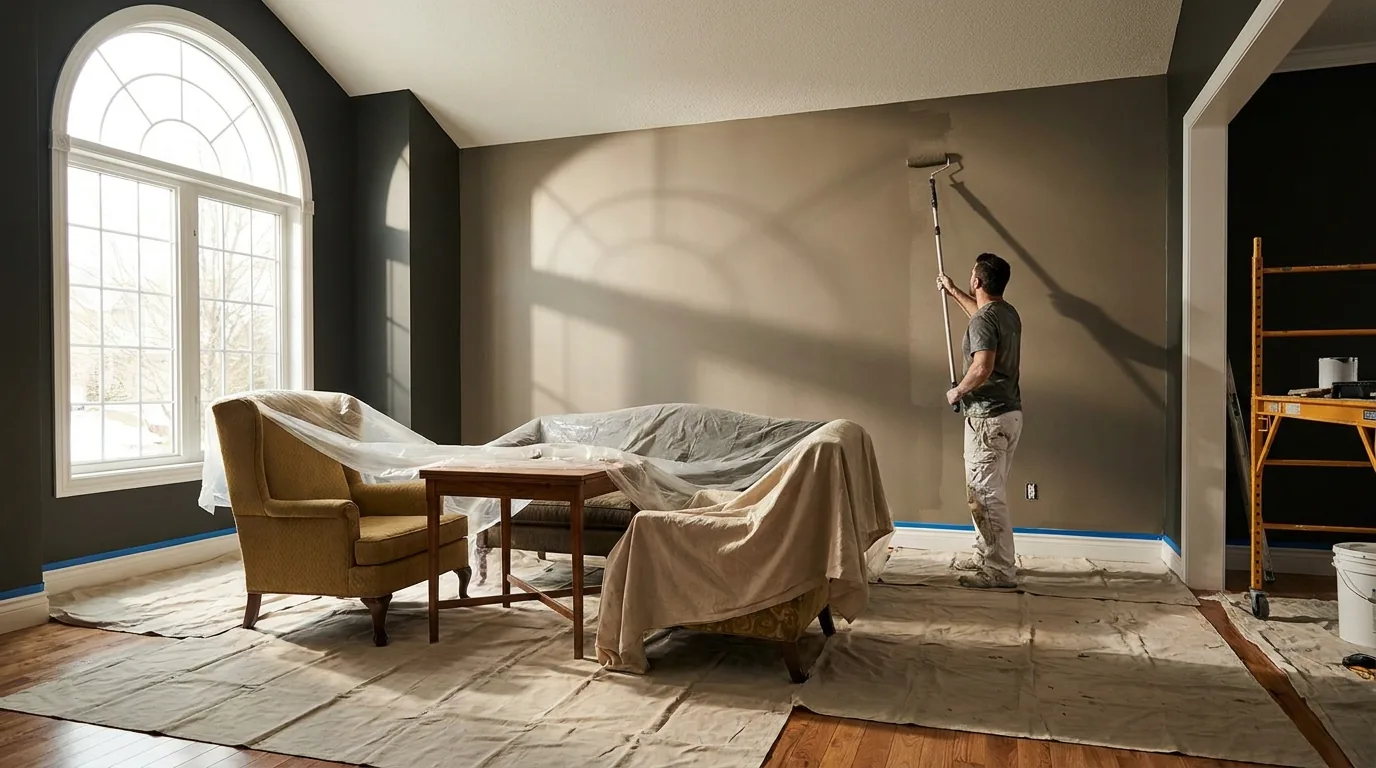
If the walls have old patchwork or multiple sheen changes, color testing should happen after or alongside a clear prep plan. Uneven surfaces can make a color appear more varied than it really is.
Interior room shown in soft natural light
Bedroom palette selected for changing daylight
Start with the surface, the way the space is used, and the result you want to maintain. A useful painting decision names the constraint instead of hiding it behind a broad promise.
Most surprises come from hidden prep: old coatings, failed caulk, unstable drywall, adhesive residue, moisture, difficult access, or a schedule that leaves no cure time. Ask about those items before choosing by price alone.
Not always. Undertone, furnishings, and the desired mood matter more than a simple warm-versus-cool rule.
Large enough to see the color in context, on more than one wall, and under the room's actual lighting.
A painter can help you understand surface and finish implications; a dedicated color consultant may be useful for a whole-home palette.
Tell us what needs attention. We will walk through the prep, timing, and finish with you before anything is scheduled.
No cost, no obligation. You will receive a written quote for the work discussed.