Interior Planning
How to Prepare for an Interior Painting Estimate
You do not need an empty house for an estimate; you need a clear picture of what you want changed.
You do not need an empty house for an estimate; you need a clear picture of what you want changed.
Quick answer: You do not need an empty house for an estimate; you need a clear picture of what you want changed.
Walk the painter through normal use: where children touch the wall, where furniture blocks access, where a previous leak left a stain, and which rooms need to stay usable. Those details can change prep and scheduling in ways that a quick measurement will not show.
If you have color ideas, bring a sample or name the direction you are considering, but do not feel obligated to have every decision made. The estimate should help you understand the options, including where a same-color refresh may be enough and where repair or primer is needed.
Ask for the scope in plain language: what is being protected, repaired, primed, painted, cleaned, and left for the homeowner. A clear answer makes the eventual price and timeline easier to trust.
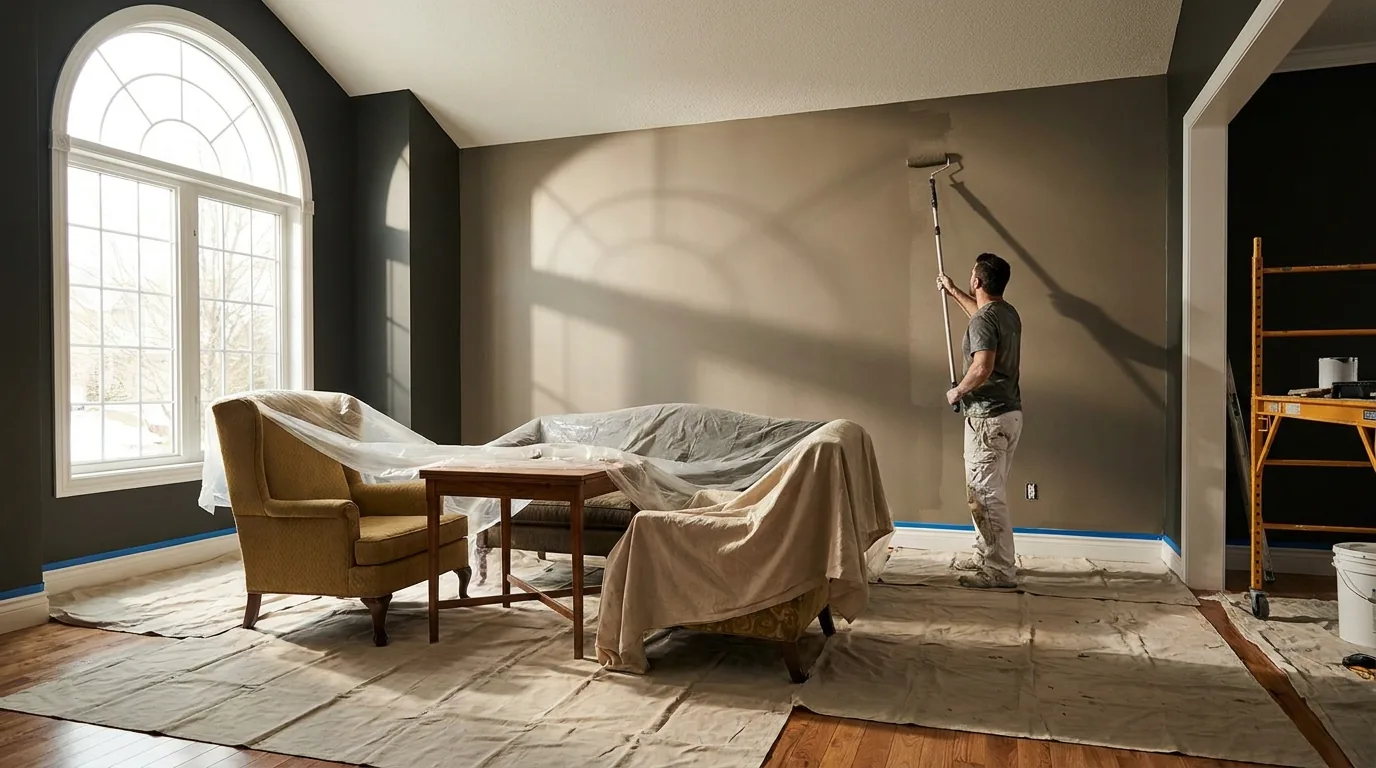
Interior room ready for an estimate walk-through
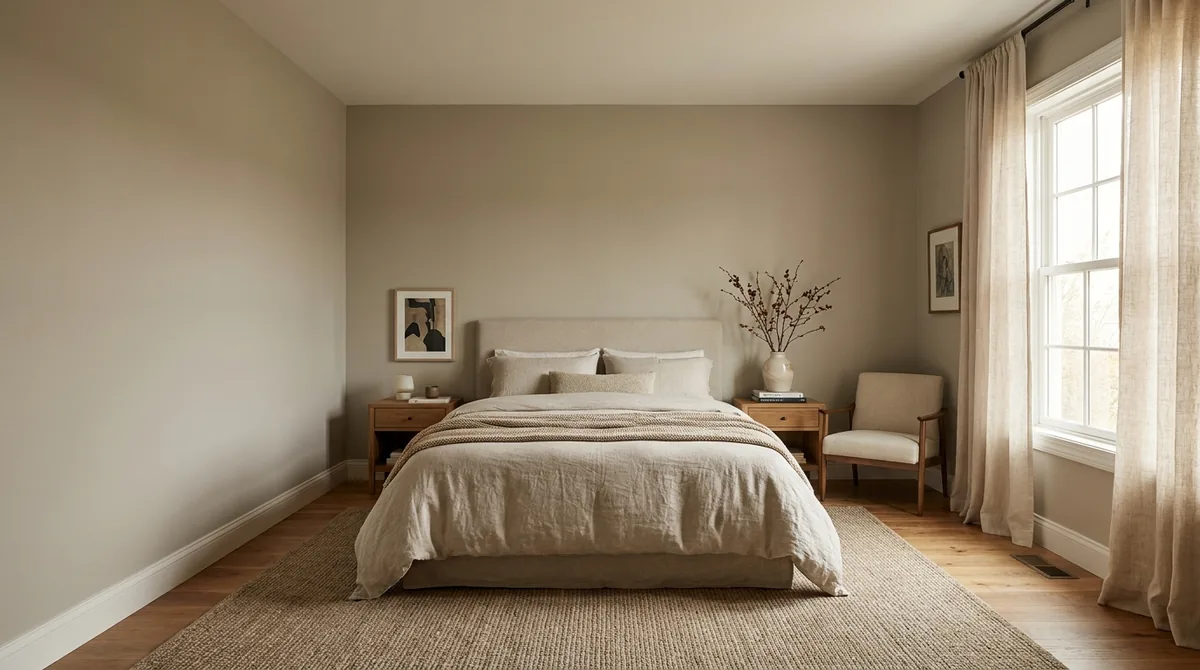
Bedroom surfaces considered during a painting estimate
Start with the surface, the way the space is used, and the result you want to maintain. A useful painting decision names the constraint instead of hiding it behind a broad promise.
Most surprises come from hidden prep: old coatings, failed caulk, unstable drywall, adhesive residue, moisture, difficult access, or a schedule that leaves no cure time. Ask about those items before choosing by price alone.
No. You should identify what can move and what cannot, but the estimate visit is not the painting day.
It helps to have a direction, but the estimate can happen before every color decision is final.
Ask which repairs are included, which need a separate trade, and how repair and painting will be sequenced.
Tell us what needs attention. We will walk through the prep, timing, and finish with you before anything is scheduled.
No cost, no obligation. You will receive a written quote for the work discussed.