Healthy Home
Low-VOC Paint for Nurseries and Bedrooms in Indiana
Low-VOC paint is one part of a comfortable room; ventilation, cure time, and surface prep still matter.
Low-VOC paint is one part of a comfortable room; ventilation, cure time, and surface prep still matter.
Quick answer: Low-VOC paint is one part of a comfortable room; ventilation, cure time, and surface prep still matter.
Choose a product appropriate for the room and follow its application and cure guidance. Keep infants and sensitive occupants away from active work and from the room until the finish has dried and the space has been ventilated according to the product instructions.
Low-VOC does not mean no preparation. Dust, stains, old peeling paint, and repairs still need to be addressed. A clean, sealed substrate helps the finish perform and can reduce the temptation to add unnecessary coats later.
If the home is older or the existing paint is deteriorating, ask about safe preparation and whether additional assessment is needed before sanding or disturbance. A healthy-room goal includes the substrate, not just the new paint label.
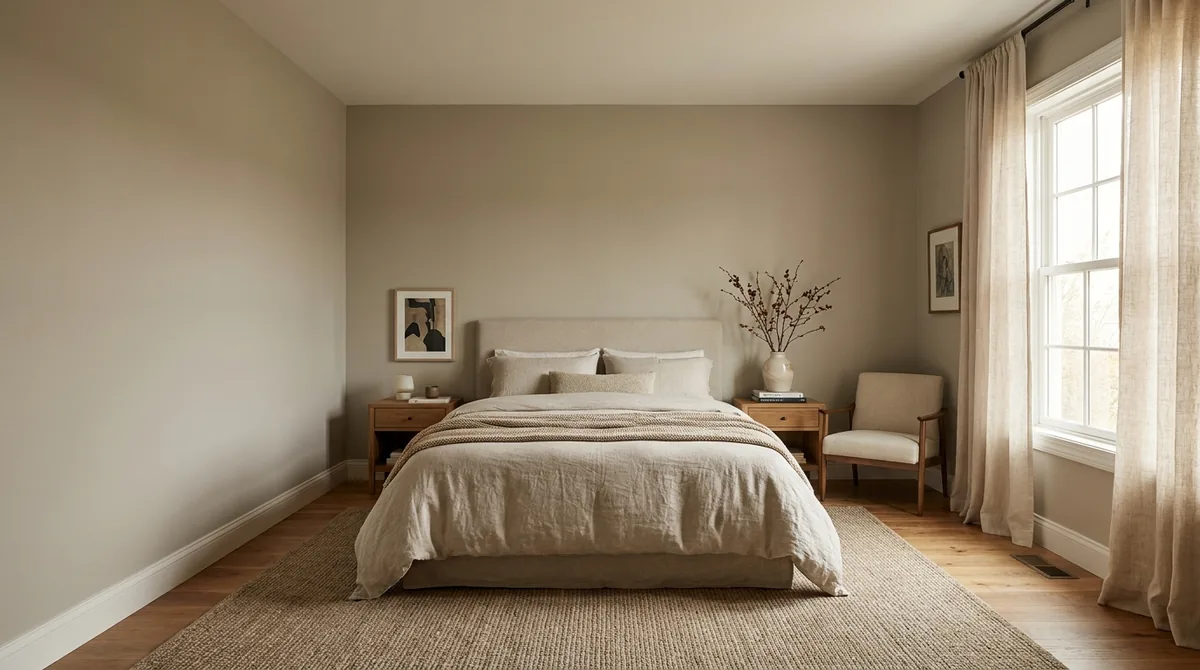
Freshly painted bedroom with a calm finish
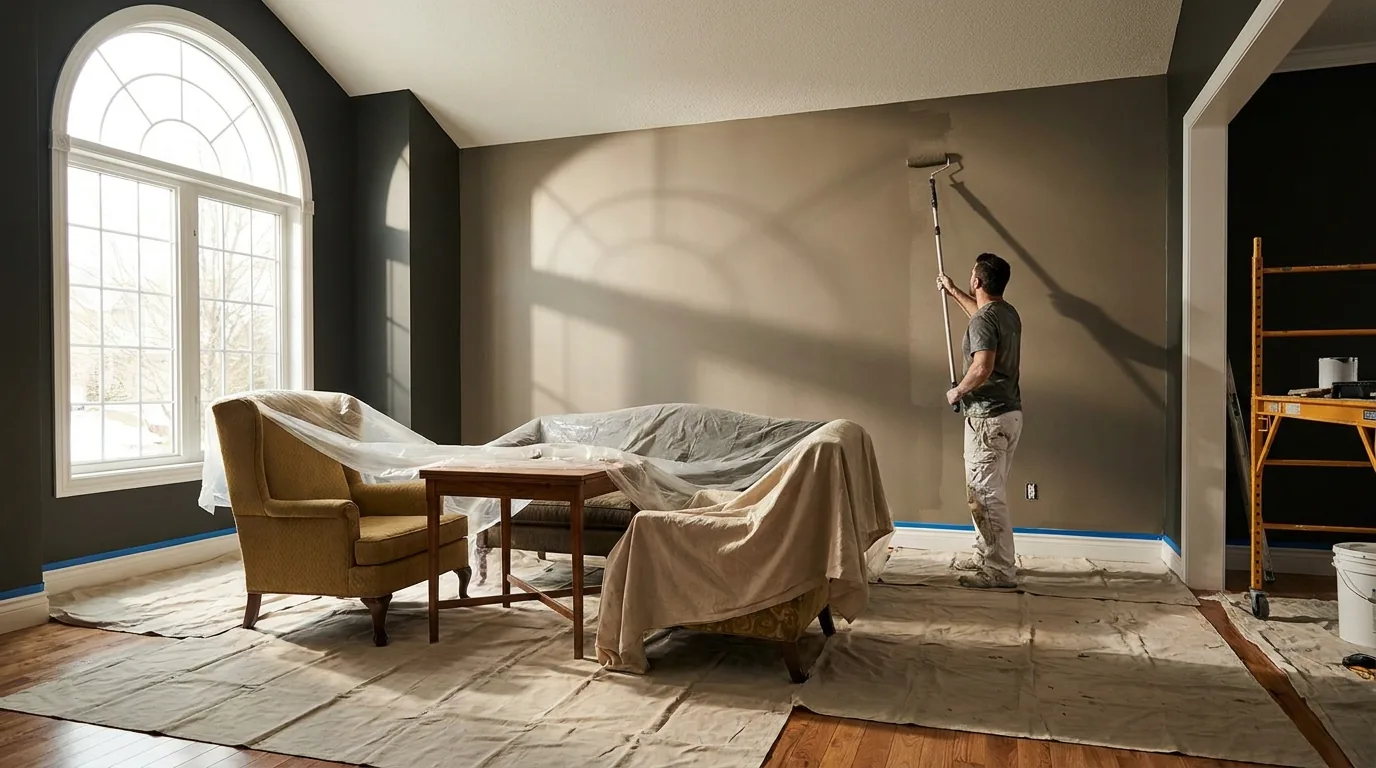
Interior paint preparation in a North Indy home
Start with the surface, the way the space is used, and the result you want to maintain. A useful painting decision names the constraint instead of hiding it behind a broad promise.
Most surprises come from hidden prep: old coatings, failed caulk, unstable drywall, adhesive residue, moisture, difficult access, or a schedule that leaves no cure time. Ask about those items before choosing by price alone.
Follow the product label and allow appropriate ventilation and cure time before normal occupancy.
Primer may be needed for stains, repairs, bare surfaces, or a major color change.
Stop and evaluate the coating and safe preparation requirements before sanding or disturbing it.
Tell us what needs attention. We will walk through the prep, timing, and finish with you before anything is scheduled.
No cost, no obligation. You will receive a written quote for the work discussed.