Older Homes
Painting an Older North Indy Home: Lead-Safe Prep Questions
Older paint deserves a preparation plan that protects people, surfaces, and the project schedule.
Older paint deserves a preparation plan that protects people, surfaces, and the project schedule.
Quick answer: Older paint deserves a preparation plan that protects people, surfaces, and the project schedule.
Ask who is responsible for assessing suspect coatings, what preparation methods will be used, how dust and debris will be controlled, and what happens if the surface condition changes the scope. Do not accept casual sanding advice when an older coating may be present.
A safe project also depends on containment, cleanup, occupant protection, and disposal requirements. Those details are not dramatic, but they are what keep a renovation from spreading dust through the home.
If the paint is stable and the project can be planned around it, the finish goal may still be achievable. The right sequence is assessment first, preparation method second, and color and coating decisions after that.
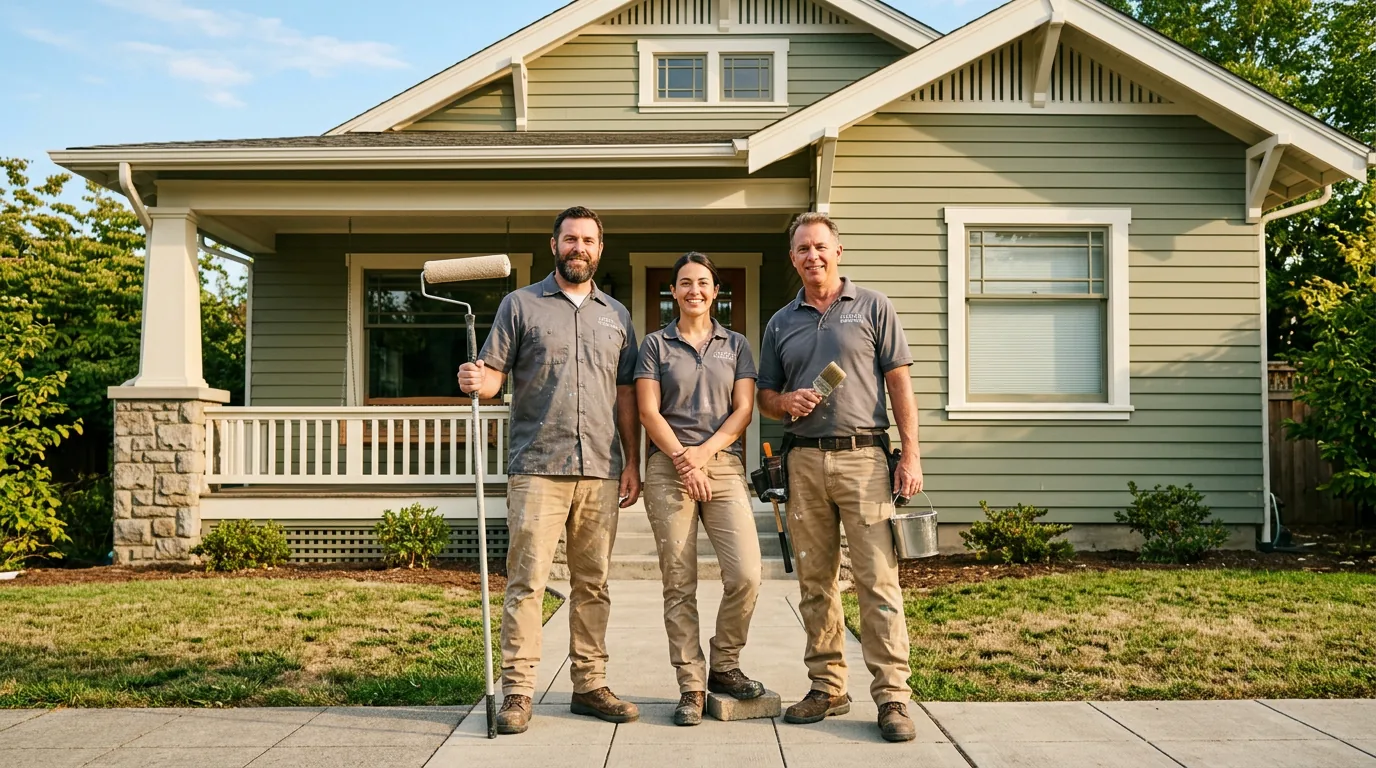
Painting team preparing an older home project
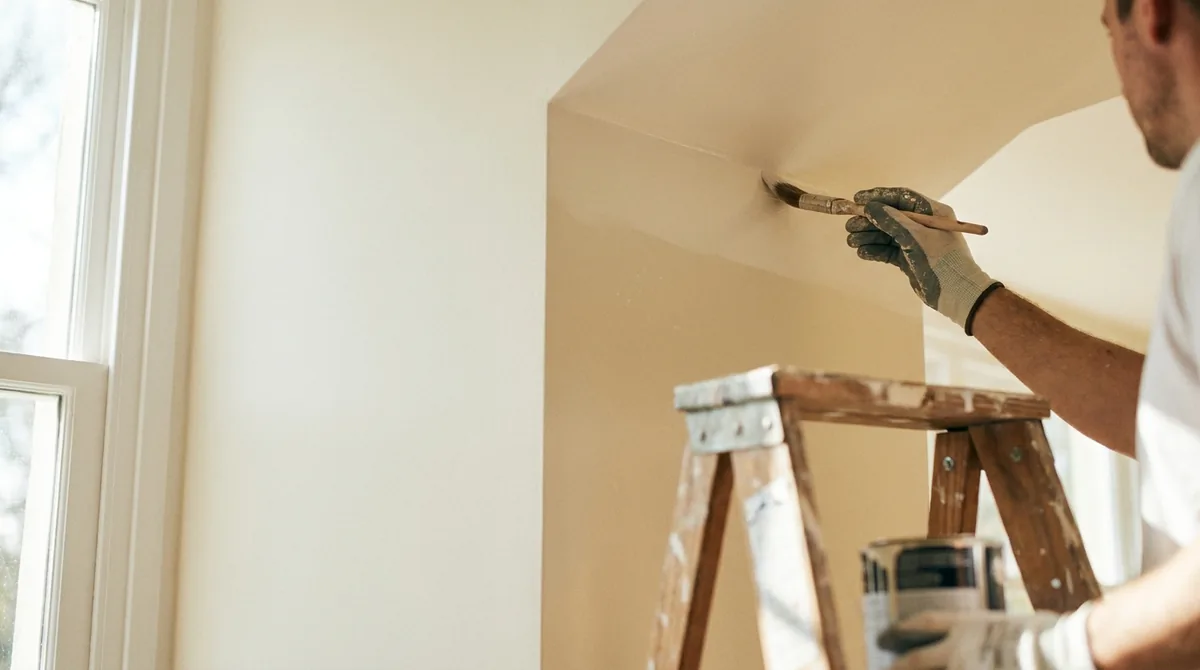
Careful interior prep before repainting
Start with the surface, the way the space is used, and the result you want to maintain. A useful painting decision names the constraint instead of hiding it behind a broad promise.
Most surprises come from hidden prep: old coatings, failed caulk, unstable drywall, adhesive residue, moisture, difficult access, or a schedule that leaves no cure time. Ask about those items before choosing by price alone.
Ask a qualified professional what assessment is appropriate for the home and the planned disturbance.
Sometimes a lower-disturbance preparation method is appropriate, but the decision depends on the coating and required adhesion.
It should describe the assumed preparation, occupant protection, exclusions, and what happens if unsafe or unstable material is found.
Tell us what needs attention. We will walk through the prep, timing, and finish with you before anything is scheduled.
No cost, no obligation. You will receive a written quote for the work discussed.