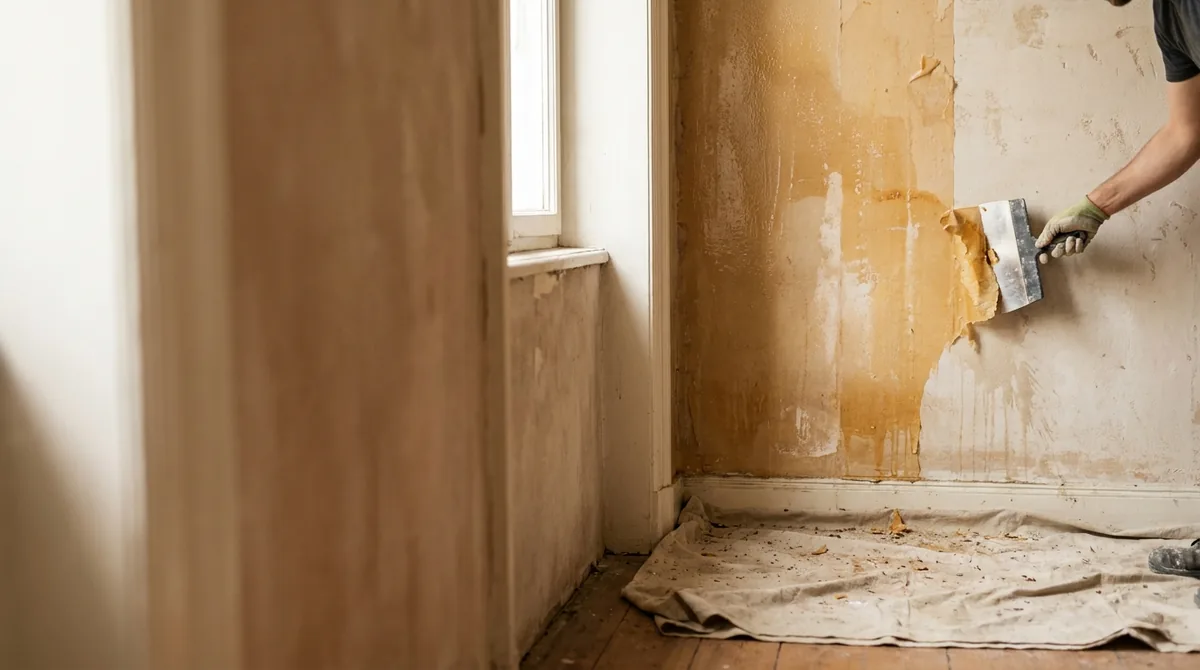
Wallpaper Removal
Painting Over Wallpaper: When It Is Not a Good Idea
Painting over wallpaper can be a shortcut, but loose seams, texture, and adhesive problems usually come with it.
Painting over wallpaper can be a shortcut, but loose seams, texture, and adhesive problems usually come with it.
Quick answer: Painting over wallpaper can be a shortcut, but loose seams, texture, and adhesive problems usually come with it.
Peeling seams, bubbled areas, heavy texture, and multiple layers are signs that removal or additional preparation may be the better route. Moisture-prone rooms and walls with damaged paper also deserve caution because paint can trap or reveal the problem rather than solve it.
If the wall is suitable for coating, the prep may still include cleaning, sealing, skim work, and a test area. The coating plan should be compatible with the existing paper and adhesive.
The long-term question is whether you want a stable painted wall or a fast visual change. Removing the paper may take longer now but avoid repeating the same prep after the next repaint.
Wallpaper seam and adhesive condition before painting
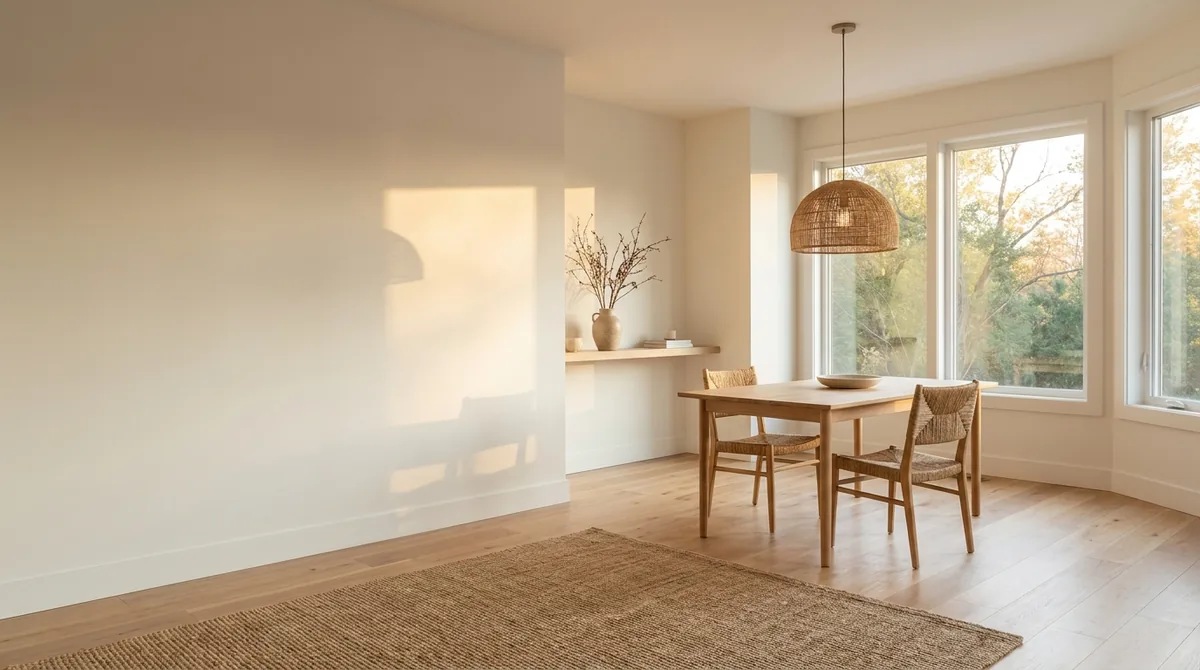
Smooth painted wall after wallpaper removal
Start with the surface, the way the space is used, and the result you want to maintain. A useful painting decision names the constraint instead of hiding it behind a broad promise.
Most surprises come from hidden prep: old coatings, failed caulk, unstable drywall, adhesive residue, moisture, difficult access, or a schedule that leaves no cure time. Ask about those items before choosing by price alone.
No. Stability, texture, moisture, adhesive, and the condition of the substrate all matter.
Usually not for long if seams are raised, loose, or poorly prepared.
It can cost more upfront, but the right choice depends on the finish goal and how much future maintenance the shortcut creates.
Tell us what needs attention. We will walk through the prep, timing, and finish with you before anything is scheduled.
No cost, no obligation. You will receive a written quote for the work discussed.