Interior Planning
Stairway Painting: Access, Protection & Finish Planning
A stairway repaint succeeds when the crew protects the route people still need to use.
A stairway repaint succeeds when the crew protects the route people still need to use.
Quick answer: A stairway repaint succeeds when the crew protects the route people still need to use.
The wall height can also make prep more visible. Side light reveals old patches, and narrow corners make it difficult to stand back and judge a color. A walk-through should identify high-contact areas and any repairs before the ladder or extension pole arrives.
Phasing can be more practical than closing every stair at once. The exact sequence depends on the layout and whether the wall, ceiling, trim, or railings are included.
Ask how the crew will leave the stairs at the end of each work period, what access remains available, and when the finish can handle normal contact. Those are small questions with a large effect on daily life.
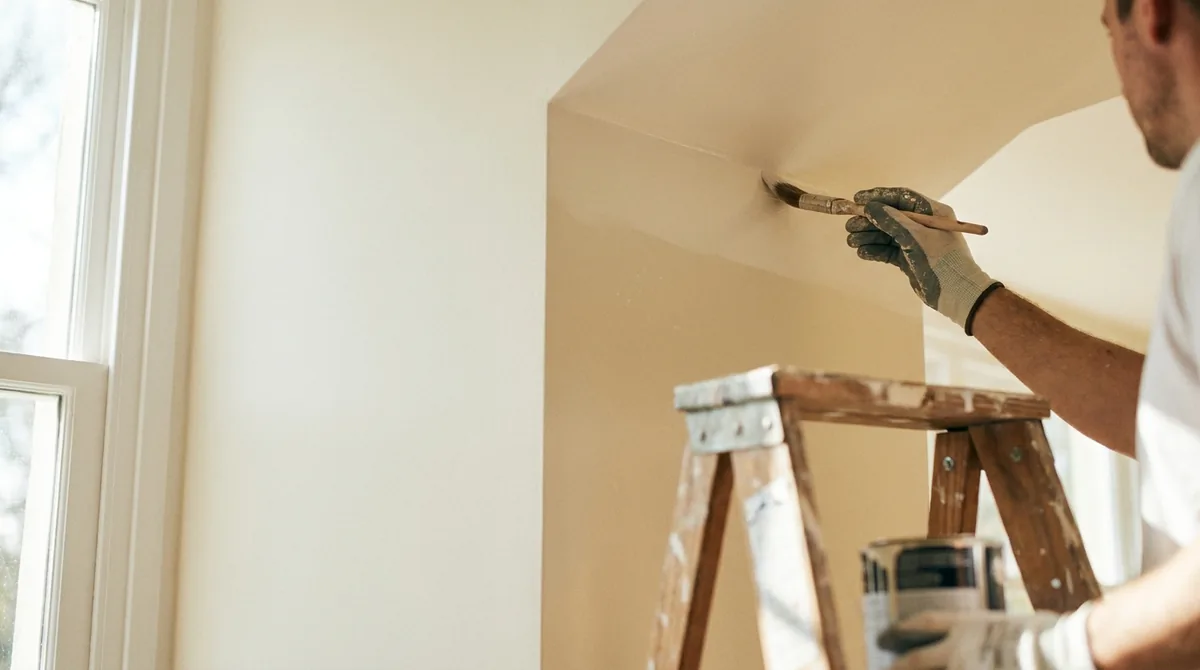
Painter working carefully along a stairway wall
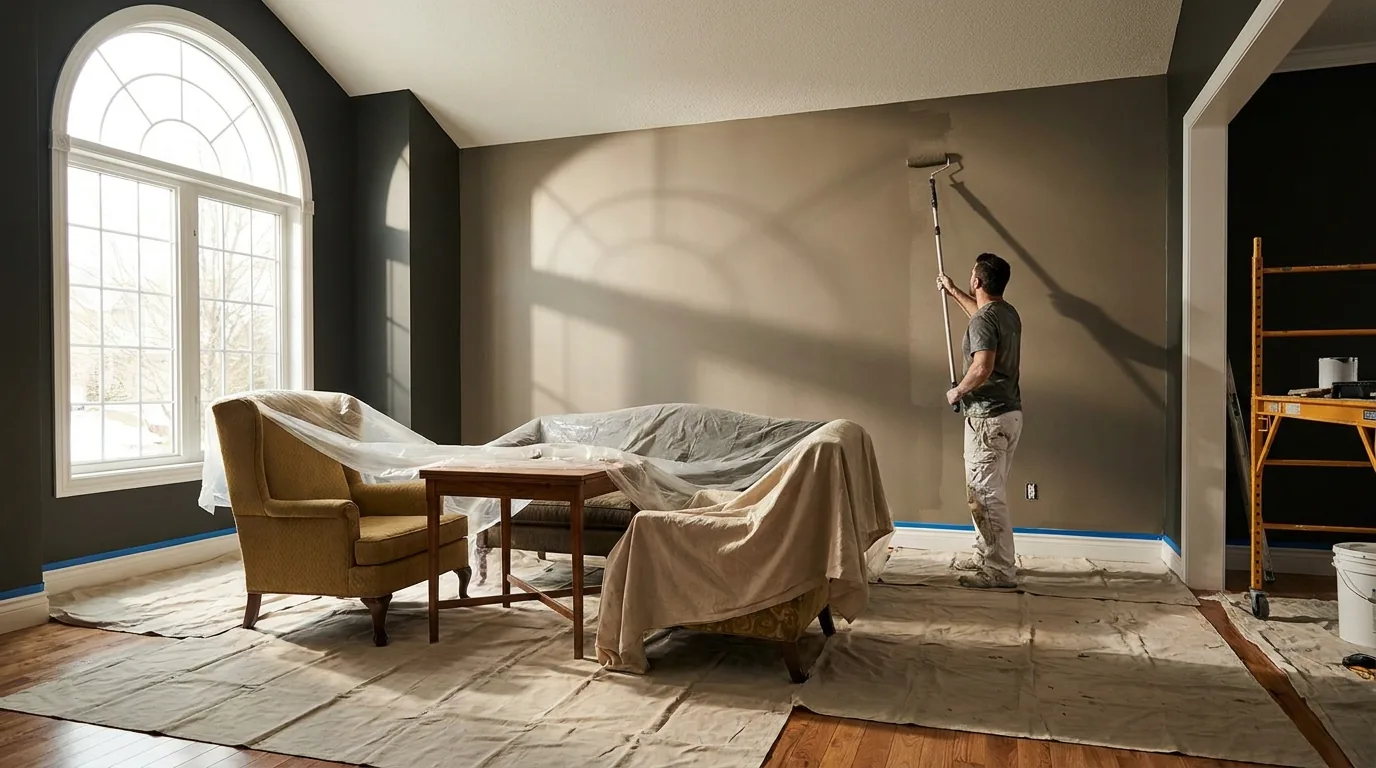
Finished stairway and hallway with clean transitions
Start with the surface, the way the space is used, and the result you want to maintain. A useful painting decision names the constraint instead of hiding it behind a broad promise.
Most surprises come from hidden prep: old coatings, failed caulk, unstable drywall, adhesive residue, moisture, difficult access, or a schedule that leaves no cure time. Ask about those items before choosing by price alone.
Sometimes, depending on the sequence and the areas being coated. The plan should protect people and the finish.
Side lighting and long sight lines make ridges and color variation more noticeable.
They can be considered, but railings need separate cleaning, masking, and cure-time planning.
Tell us what needs attention. We will walk through the prep, timing, and finish with you before anything is scheduled.
No cost, no obligation. You will receive a written quote for the work discussed.