Commercial Painting
How to Plan Office Painting Without Disrupting Work
The best commercial paint schedule is the one employees barely have to think about.
The best commercial paint schedule is the one employees barely have to think about.
Quick answer: The best commercial paint schedule is the one employees barely have to think about.
Start with the business's non-negotiable hours and spaces. Then identify rooms that can be isolated, furniture that can move, sensitive equipment that needs special protection, and departments that cannot be relocated at the same time.
Off-hours work is not the only answer. A phased plan can keep part of the office operational while another zone is being prepared and painted. The right choice depends on ventilation, cure time, access, and how quickly each room must be handed back.
Ask for a written handback standard: floors clean, furniture returned or staged, doors operating, touch-ups identified, and the next phase's access confirmed. That is how a paint job becomes a business project instead of an interruption.
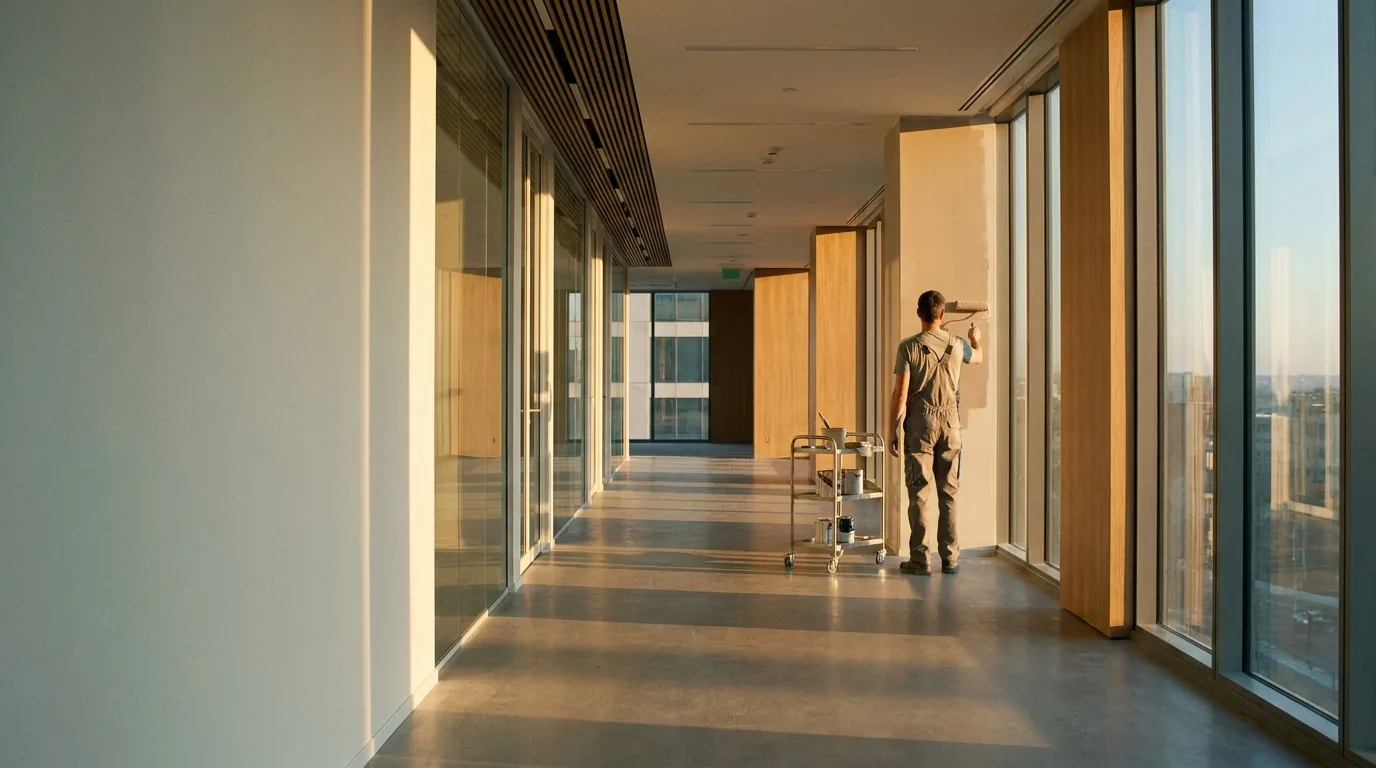
Office painting planned around business operations
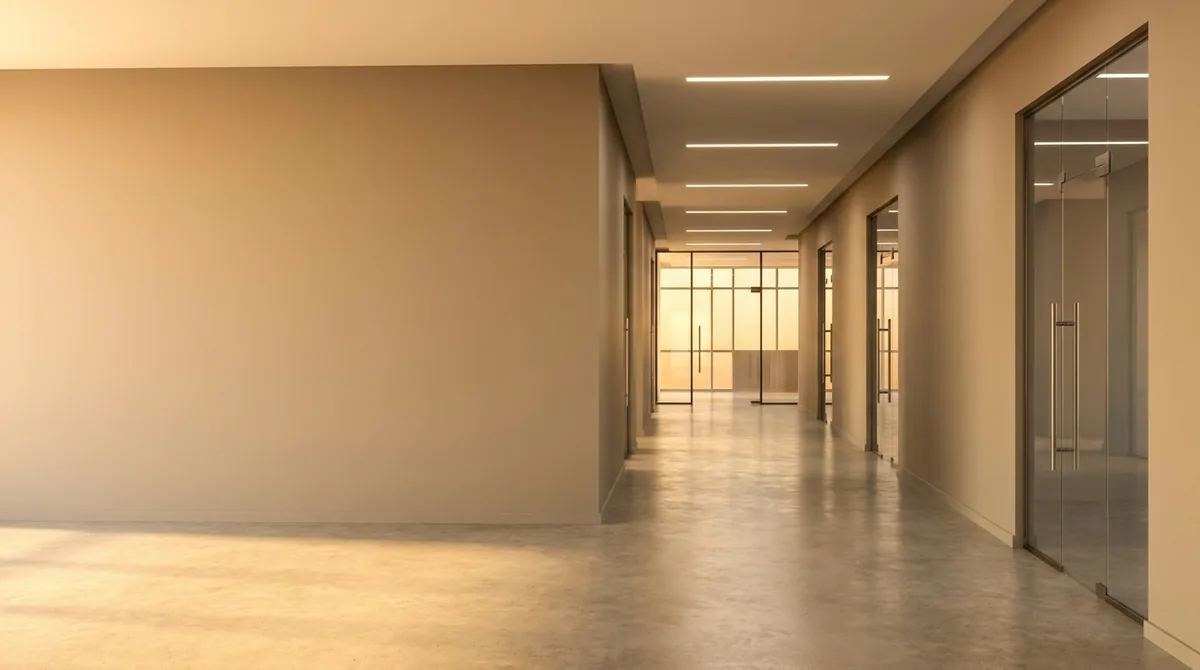
Finished commercial corridor with clean handback
Start with the surface, the way the space is used, and the result you want to maintain. A useful painting decision names the constraint instead of hiding it behind a broad promise.
Most surprises come from hidden prep: old coatings, failed caulk, unstable drywall, adhesive residue, moisture, difficult access, or a schedule that leaves no cure time. Ask about those items before choosing by price alone.
Often, if the work area can be isolated and the sequence protects employees, visitors, and the finish.
Access assumptions, protection, prep, finish coats, schedule, cleanup, and exclusions should be visible.
Weekend work can be part of the schedule when access, security, and cure time are coordinated with the business.
Tell us what needs attention. We will walk through the prep, timing, and finish with you before anything is scheduled.
No cost, no obligation. You will receive a written quote for the work discussed.