Deck Maintenance
Fence Staining Color Choices for North Indy Yards
Fence color changes the background of the entire yard, so the best shade usually supports the house instead of competing with it.
Fence color changes the background of the entire yard, so the best shade usually supports the house instead of competing with it.
Quick answer: Fence color changes the background of the entire yard, so the best shade usually supports the house instead of competing with it.
Transparent and semi-transparent colors show more grain variation, which can be attractive on sound wood but less uniform on weathered boards. More opaque stains create a steadier color but may change how future maintenance and recoating look.
Sample near a gate, a shaded run, and a sunny run before committing. The same color can read warmer, cooler, lighter, or darker depending on the direction of the fence and the color of the ground around it.
Prep is part of the color result. Dirt, mildew, old product, and uneven absorption can make the same stain look like several different shades. A color plan should be discussed alongside cleaning and surface condition.
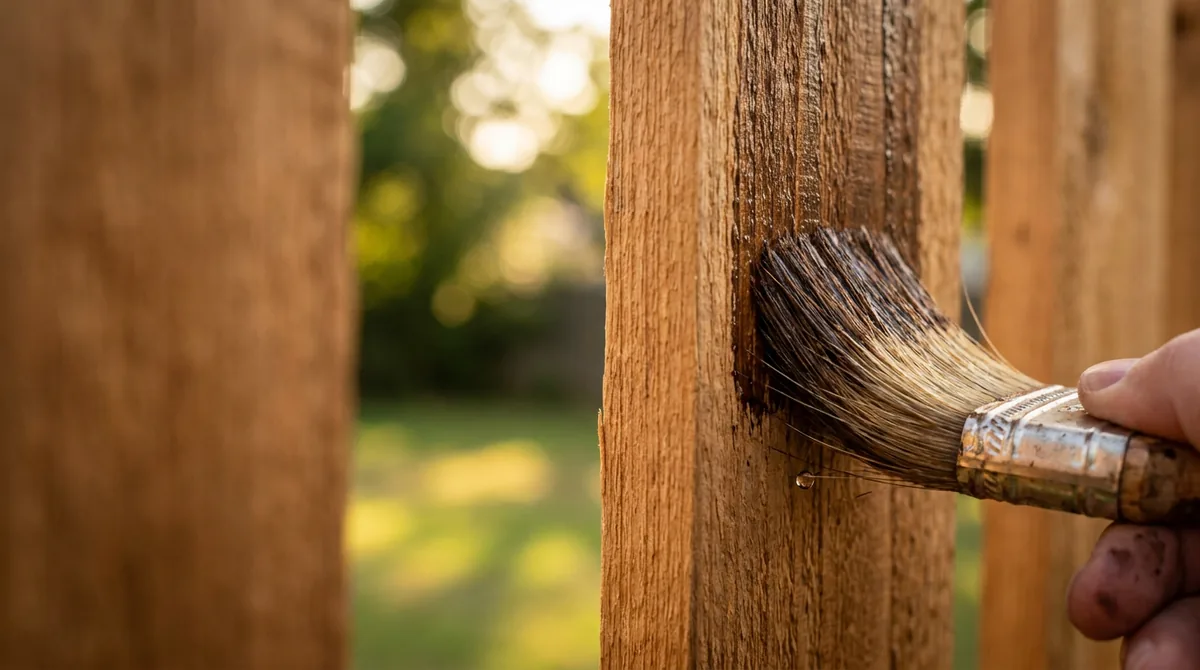
Fence boards prepared for a consistent stain color
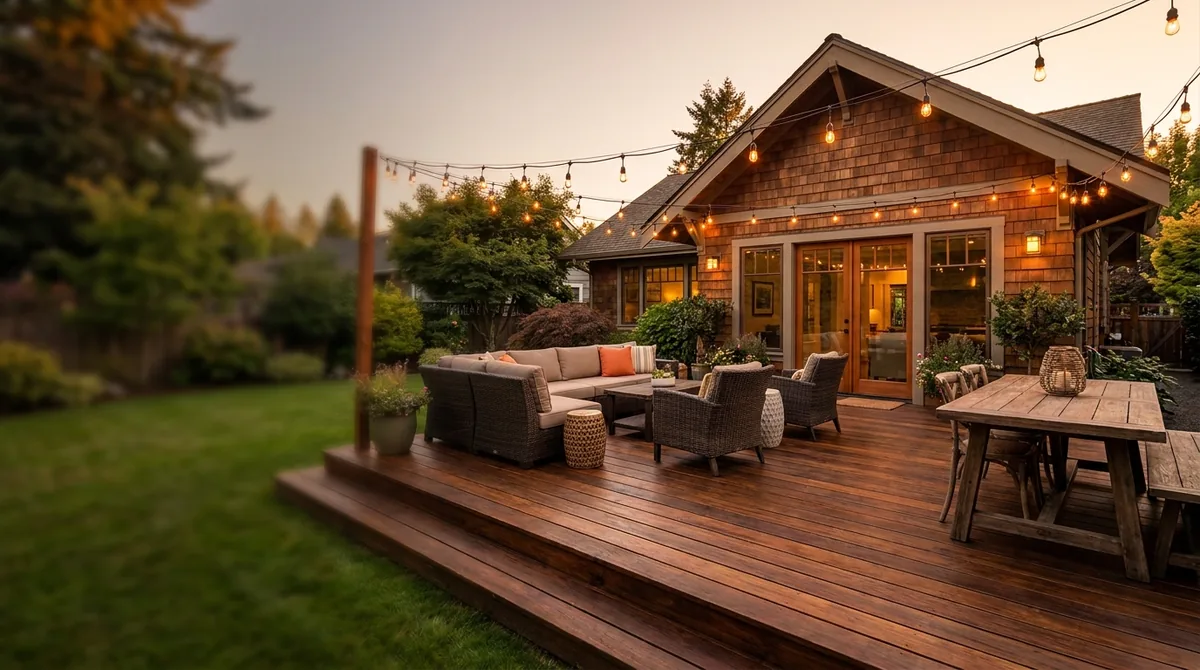
Finished wood surface with an even warm stain
Start with the surface, the way the space is used, and the result you want to maintain. A useful painting decision names the constraint instead of hiding it behind a broad promise.
Most surprises come from hidden prep: old coatings, failed caulk, unstable drywall, adhesive residue, moisture, difficult access, or a schedule that leaves no cure time. Ask about those items before choosing by price alone.
It can, but a related or neutral color often helps the fence sit quietly behind the landscape.
More opaque products can reduce variation, but the final consistency still depends on prep and wood condition.
Yes, if the wood is sound and prepared correctly. Gray color alone does not determine readiness.
Tell us what needs attention. We will walk through the prep, timing, and finish with you before anything is scheduled.
No cost, no obligation. You will receive a written quote for the work discussed.