Commercial Planning
Office Painting Scheduling Checklist for Indiana Businesses
A short planning checklist prevents the most common commercial painting delays.
A short planning checklist prevents the most common commercial painting delays.
Quick answer: A short planning checklist prevents the most common commercial painting delays.
List the rooms and priority areas, note furniture and equipment restrictions, identify fire or security requirements, and confirm whether other trades are working in the same space. Paint needs clean access and cure time, so last-minute construction changes can affect the finish.
Choose colors and sheen early enough for samples, approvals, and ordering. For a tenant or branded space, keep paint codes and surface responsibilities in the project file so the crew is not matching from a faded wall under bad lighting.
Build a final handback walk into the calendar. The manager should have time to review edges, doors, touch-ups, and cleanup before employees or customers return.
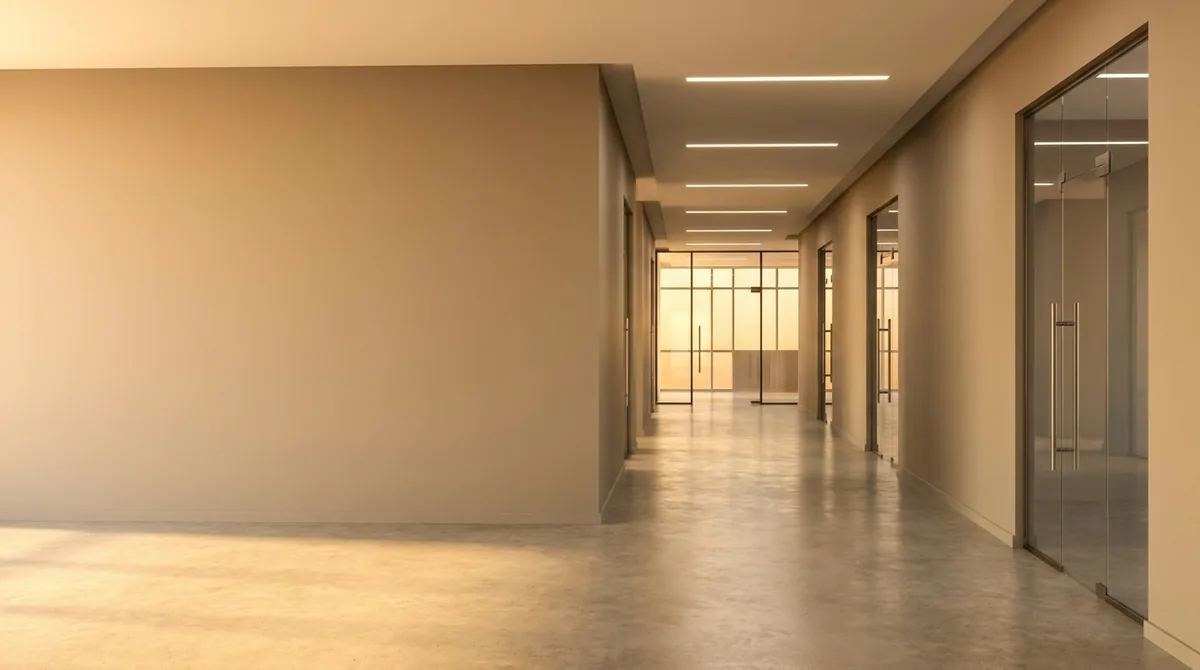
Commercial space documented before painting
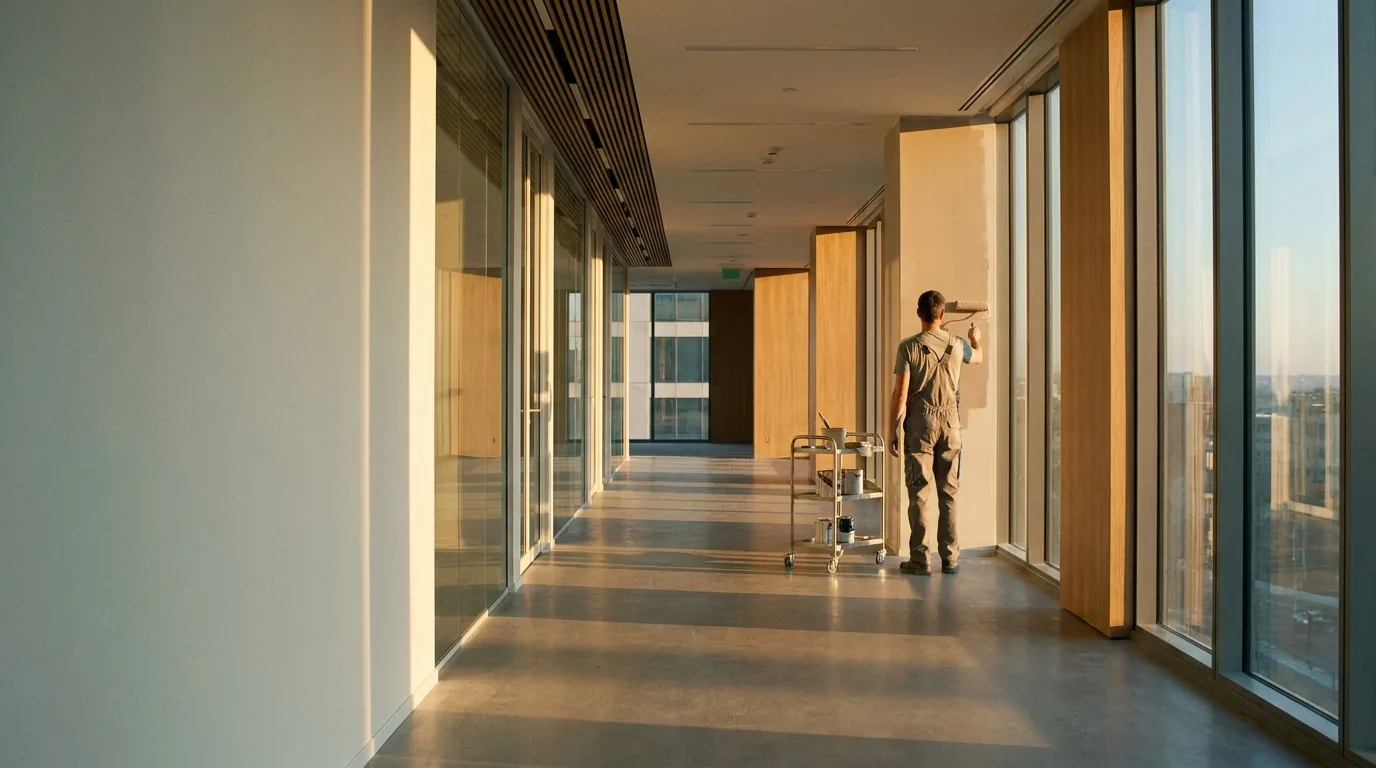
Commercial room ready for occupancy after painting
Start with the surface, the way the space is used, and the result you want to maintain. A useful painting decision names the constraint instead of hiding it behind a broad promise.
Most surprises come from hidden prep: old coatings, failed caulk, unstable drywall, adhesive residue, moisture, difficult access, or a schedule that leaves no cure time. Ask about those items before choosing by price alone.
The person who understands access, operations, and finish expectations should be present, along with the painting decision-maker when possible.
Early enough to test, approve, and order the selected system without compressing the work window.
Unclear access, moving construction, color changes, unplanned repairs, and insufficient cure or handback time are common causes.
Tell us what needs attention. We will walk through the prep, timing, and finish with you before anything is scheduled.
No cost, no obligation. You will receive a written quote for the work discussed.