
Deck Maintenance
Pressure Washing Before Deck Staining: What Good Prep Looks Like
Deck cleaning should remove the old surface without turning the boards into raised-grain sandpaper.
Deck cleaning should remove the old surface without turning the boards into raised-grain sandpaper.
Quick answer: Deck cleaning should remove the old surface without turning the boards into raised-grain sandpaper.
The cleaner and pressure need to fit the wood. Soft or weathered boards can be scarred by aggressive washing, while a coated deck may need more than water to remove the failing film. The goal is a sound, open surface that can accept the new finish consistently.
After washing, check the places that stay damp: shaded corners, board ends, stairs, and areas beneath furniture. Those areas may need additional drying time or repair before staining. Applying because the calendar says "today" is how patchy finish begins.
A professional scope should explain whether sanding, board replacement, brightening, or spot treatment is included. If the deck needs more than cleaning, those steps should be named before the stain is chosen.
Deck surface cleaned before staining
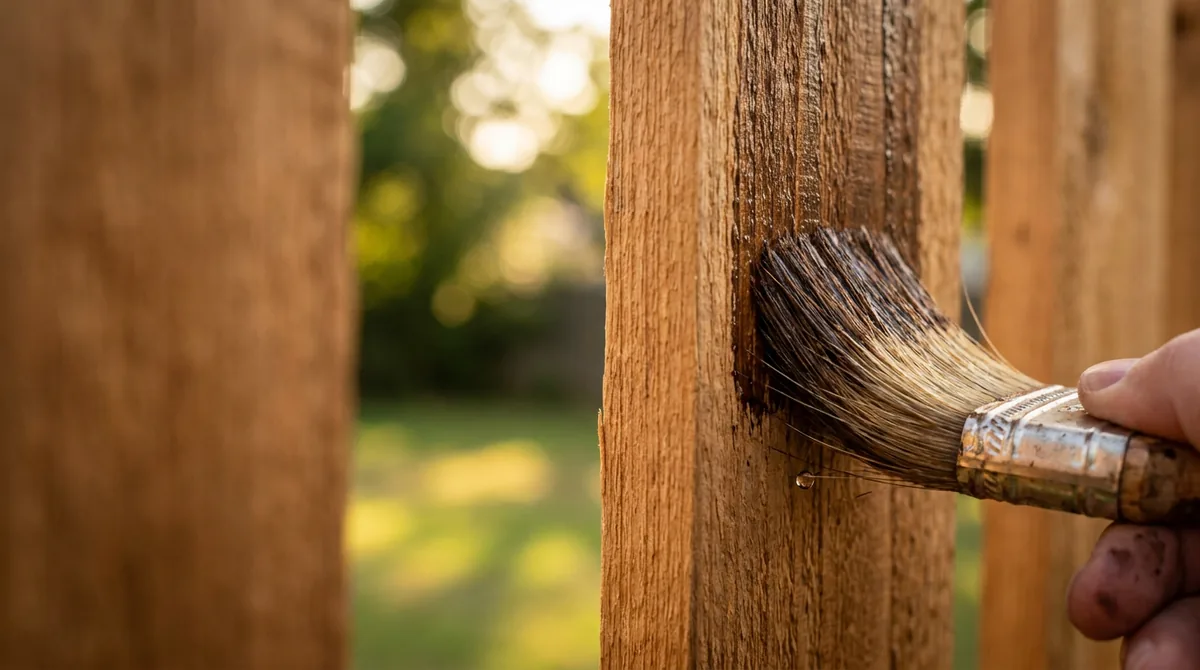
Fence and deck wood drying before finish work
Start with the surface, the way the space is used, and the result you want to maintain. A useful painting decision names the constraint instead of hiding it behind a broad promise.
Most surprises come from hidden prep: old coatings, failed caulk, unstable drywall, adhesive residue, moisture, difficult access, or a schedule that leaves no cure time. Ask about those items before choosing by price alone.
No. It depends on raised grain, old coating, roughness, and the finish being applied.
The answer depends on weather, species, exposure, and product requirements. A surface can feel dry while retaining moisture inside.
Possibly, if the surfaces and weather window are ready. Fence exposure and board condition can differ from the deck.
Tell us what needs attention. We will walk through the prep, timing, and finish with you before anything is scheduled.
No cost, no obligation. You will receive a written quote for the work discussed.